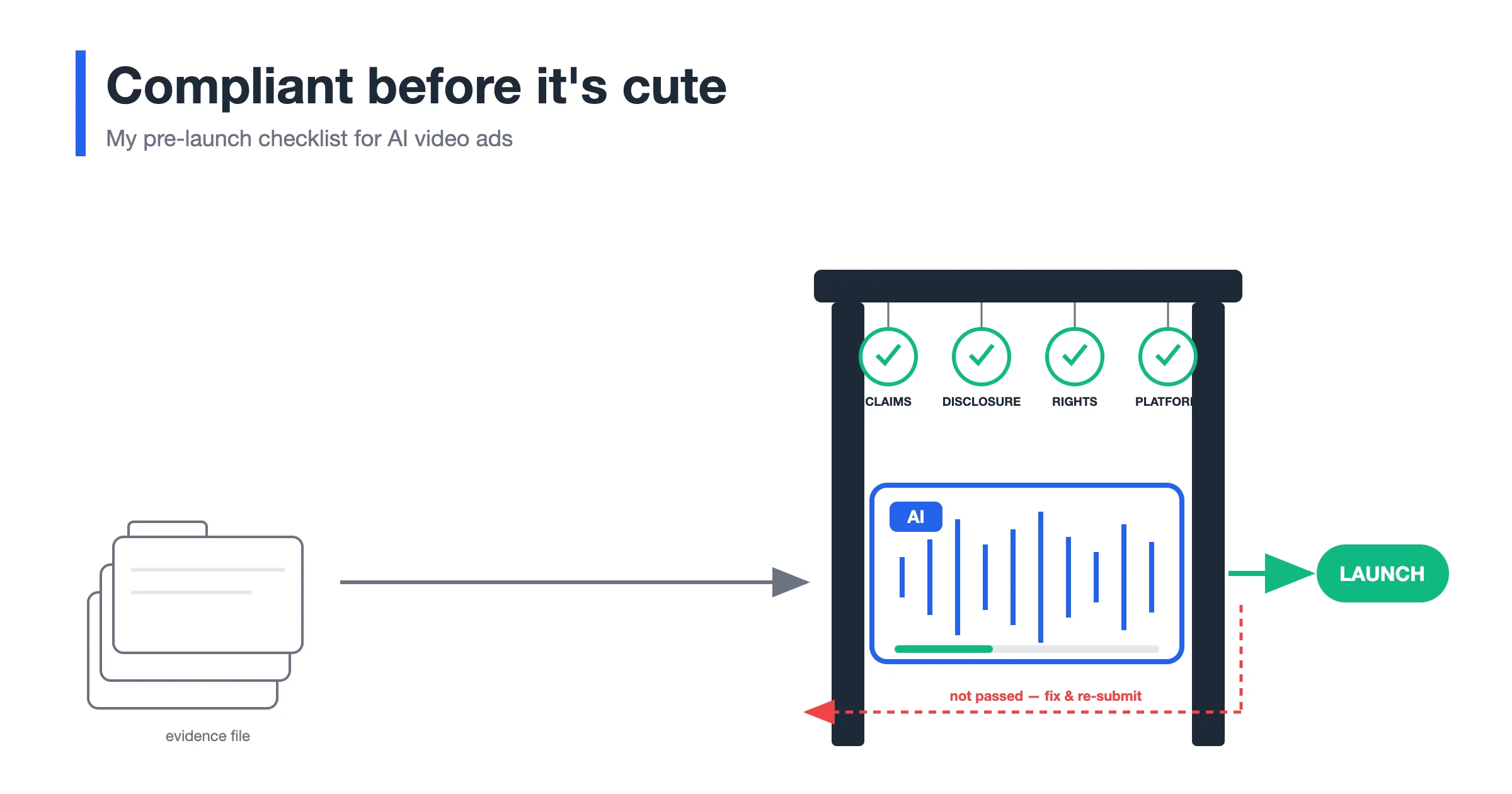
How I Keep AI Video Ads Compliant: My Pre-Launch Checklist
One undisclosed AI presenter cost me a rejected campaign. Now every AI video ad I ship passes the same pre-launch review — claims, disclosure, rights, platform rules.
Practical guides, ad breakdowns, product updates and original observations for ecommerce brands and performance marketing teams.

The teams that win the holidays treat creative as a supply problem they solve in September. Here's how to build your Q4 ad bench from proven template winners — using real ROAS, plays and ad-spend data already inside CreativeFly Marketing Studio.
Read the storyLatest stories
One undisclosed AI presenter cost me a rejected campaign. Now every AI video ad I ship passes the same pre-launch review — claims, disclosure, rights, platform rules.
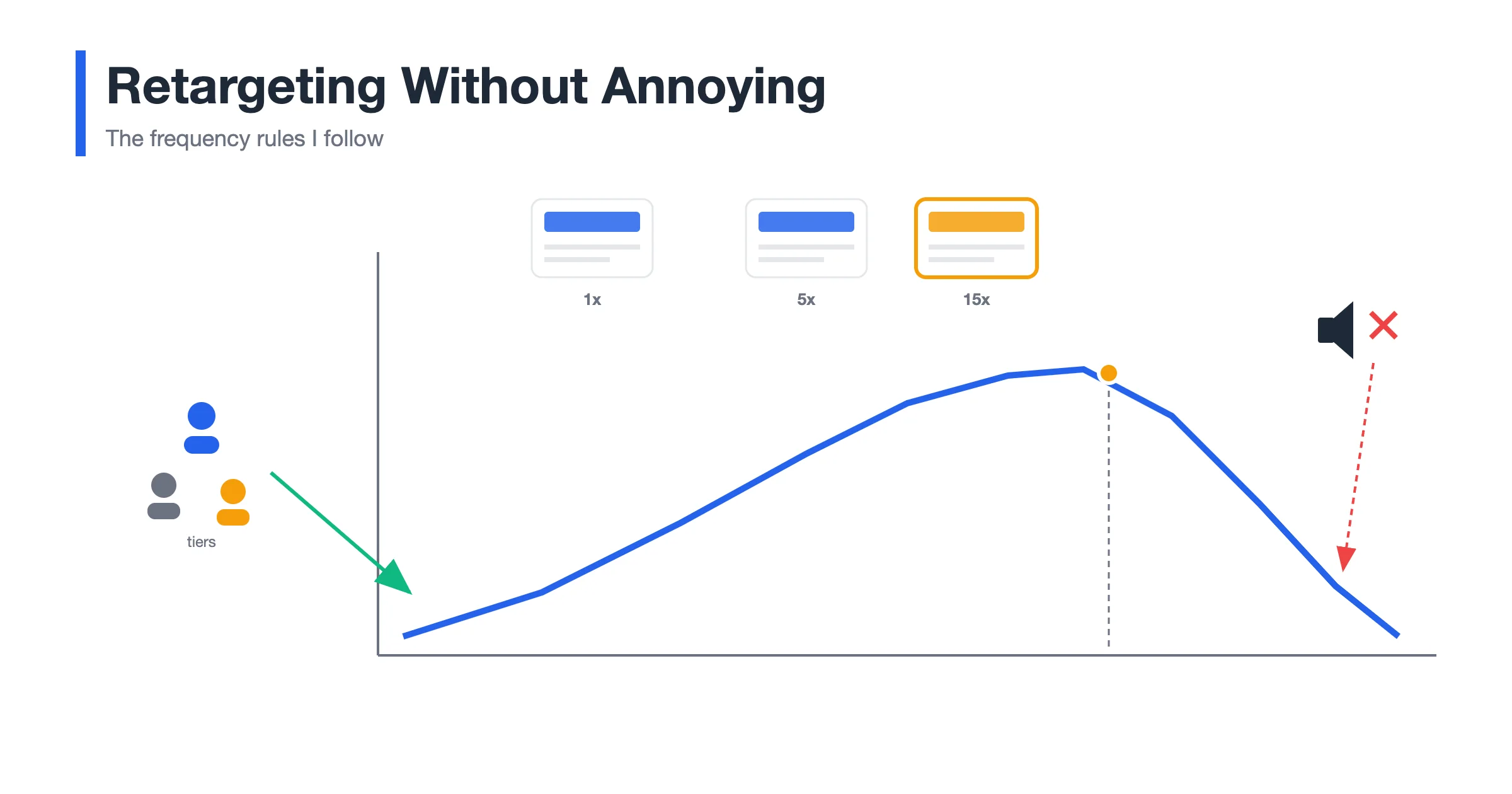
My best-performing retargeting audiences slowly rot when I let frequency drift. Here are the tiering, capping, and suppression rules I actually run in 2026.
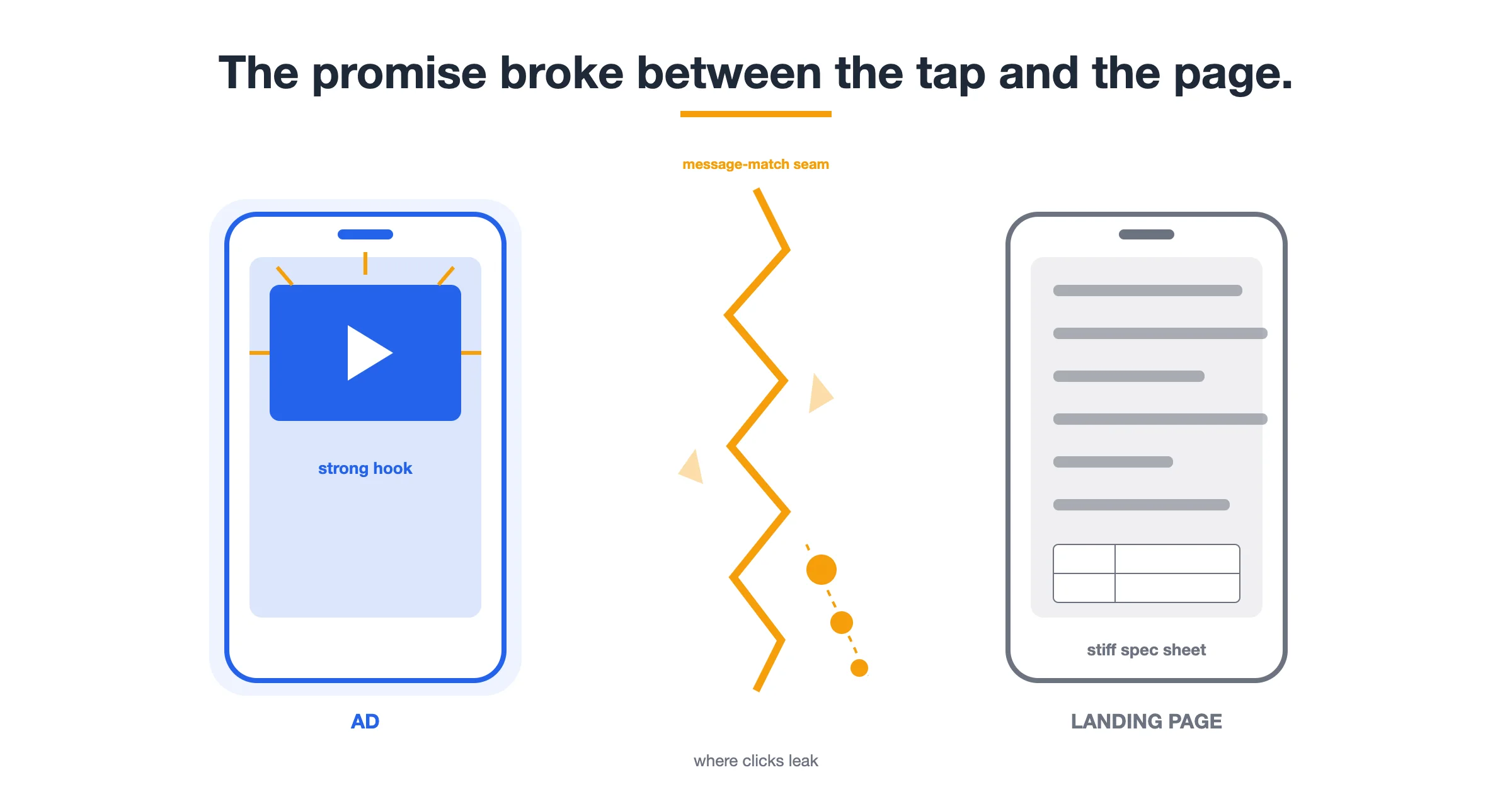
My ad earned cheap clicks and still lost money. The leak wasn't the creative - it was the broken promise between the tap and the landing page.
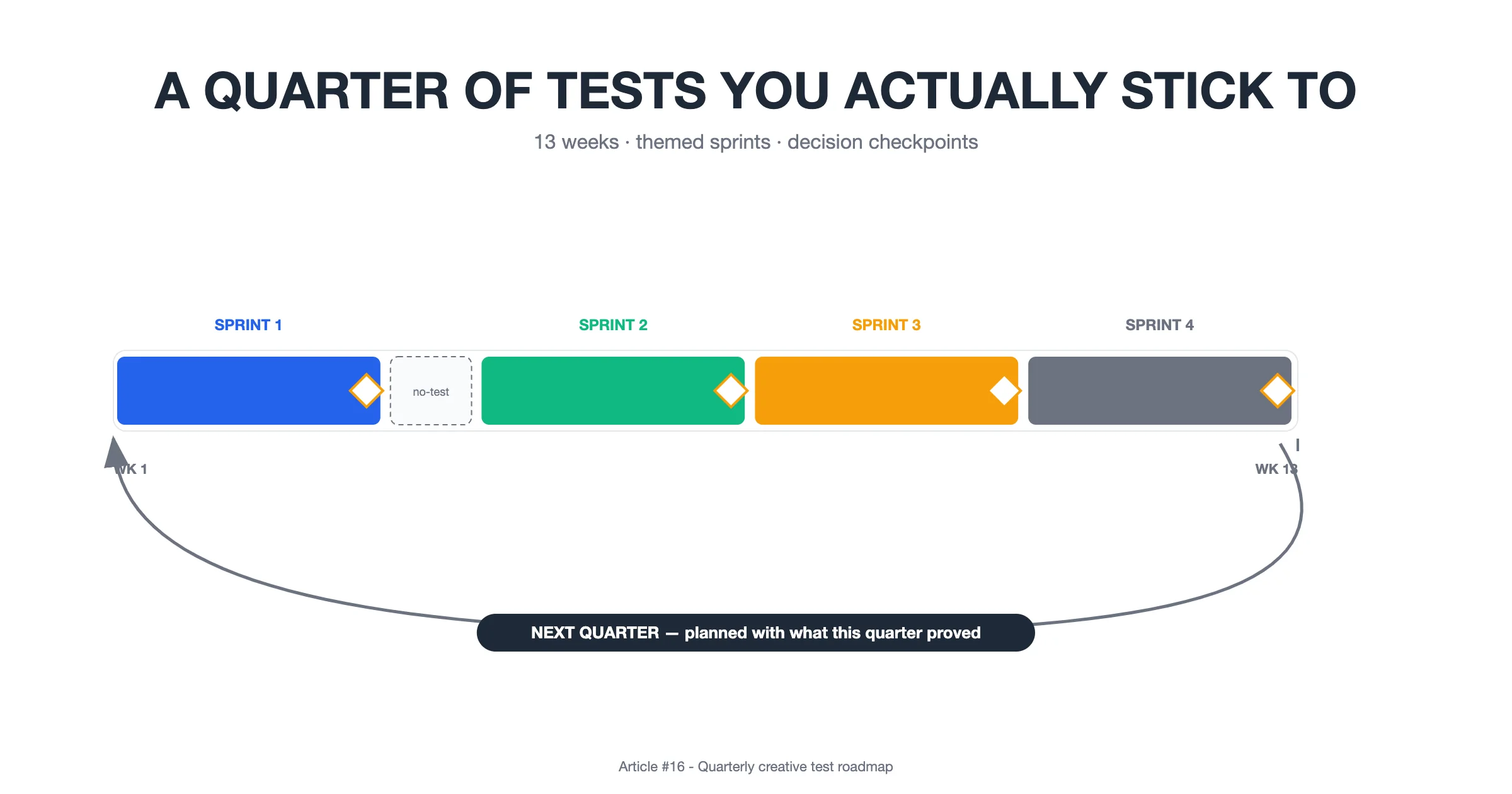
A quarter of creative tests falls apart without a roadmap. Here is the planning system, tiered portfolio, and weekly cadence I use to actually stick to it.
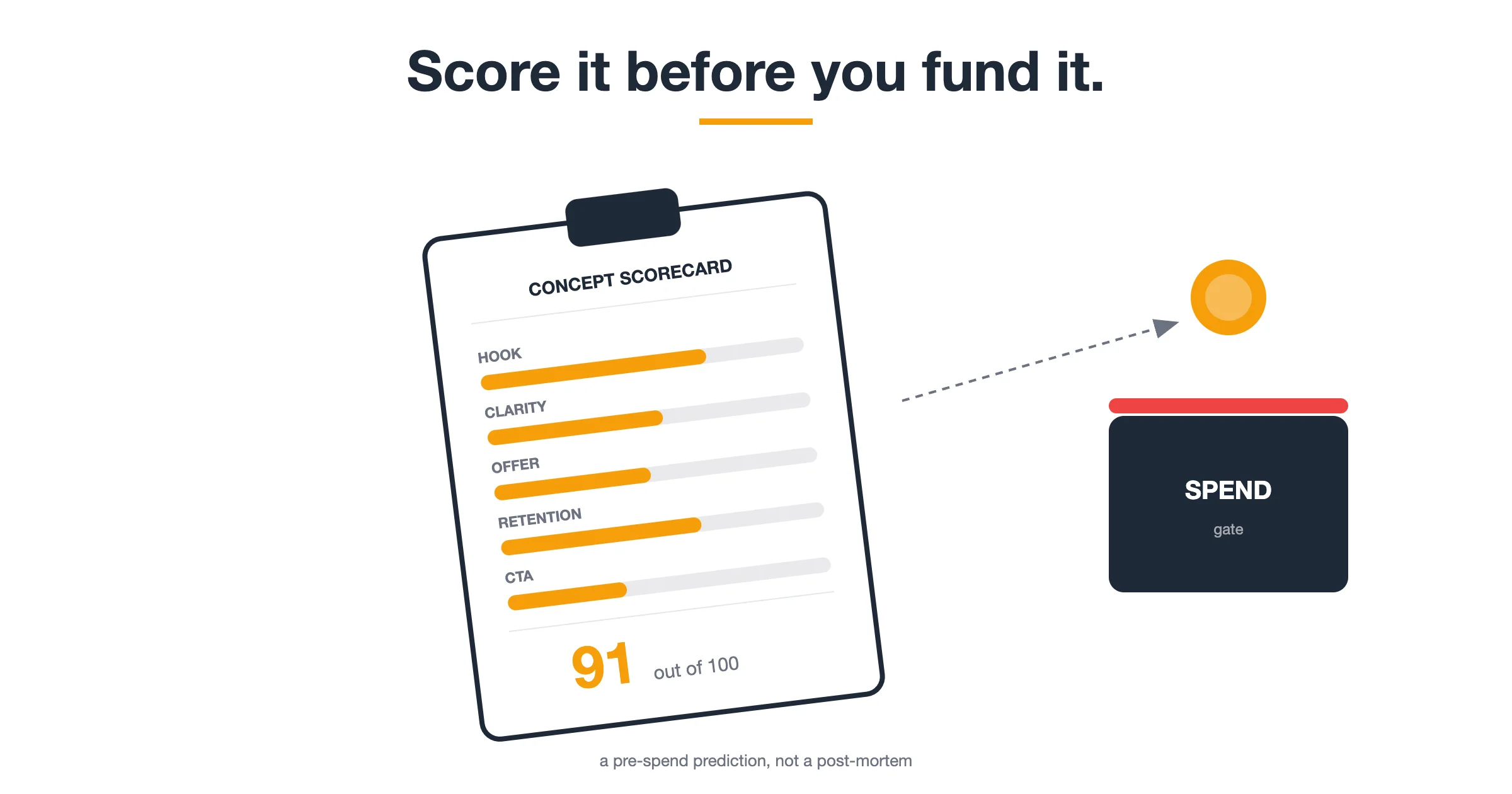
Before budget goes out, every concept runs through a weighted scorecard of leading indicators. Here is how I build it, score it, and where it fails me.
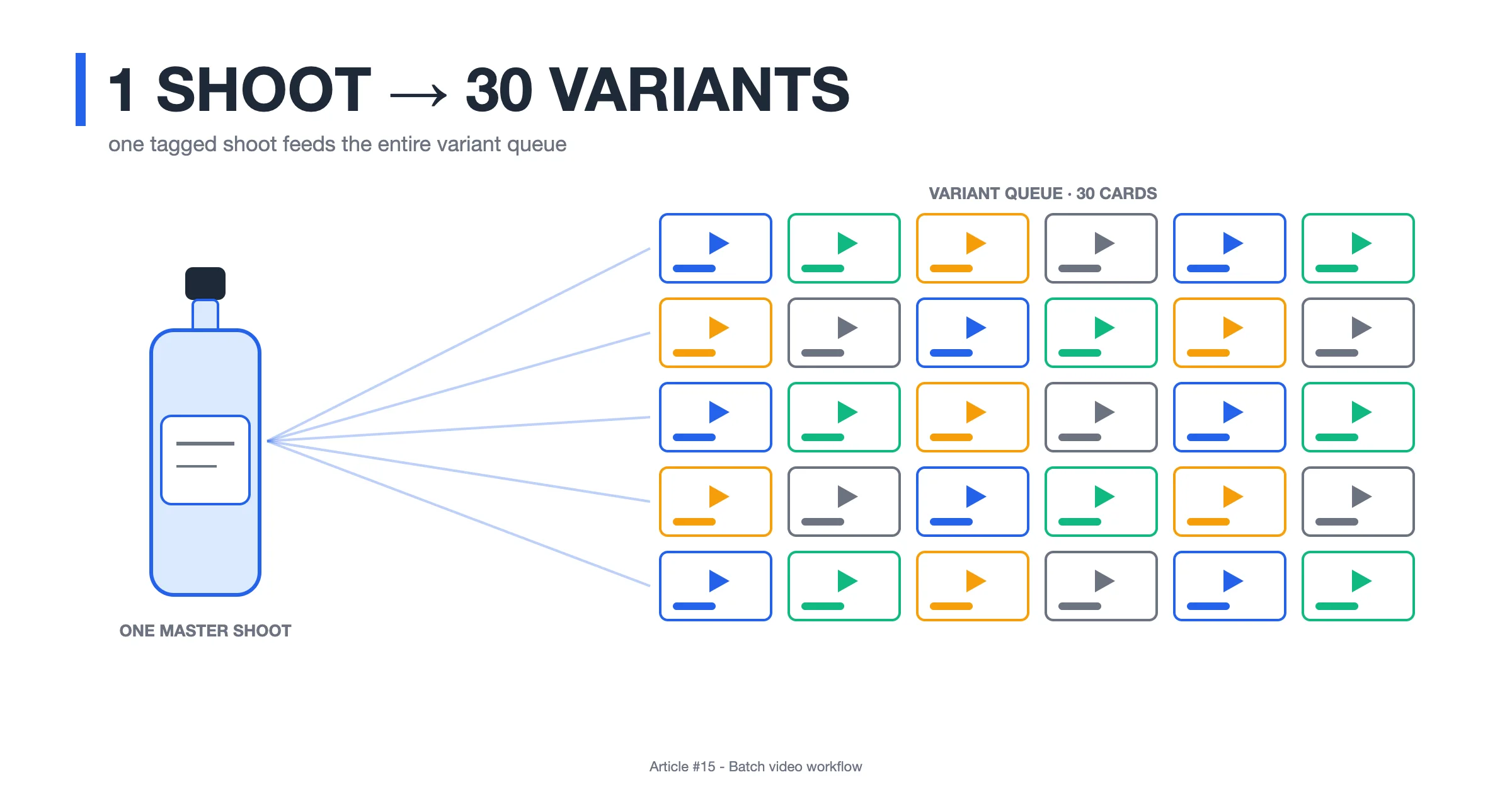
I stopped reshooting every ad. One well-planned product shoot now feeds a batch workflow that turns a single master asset set into dozens of testable variants.
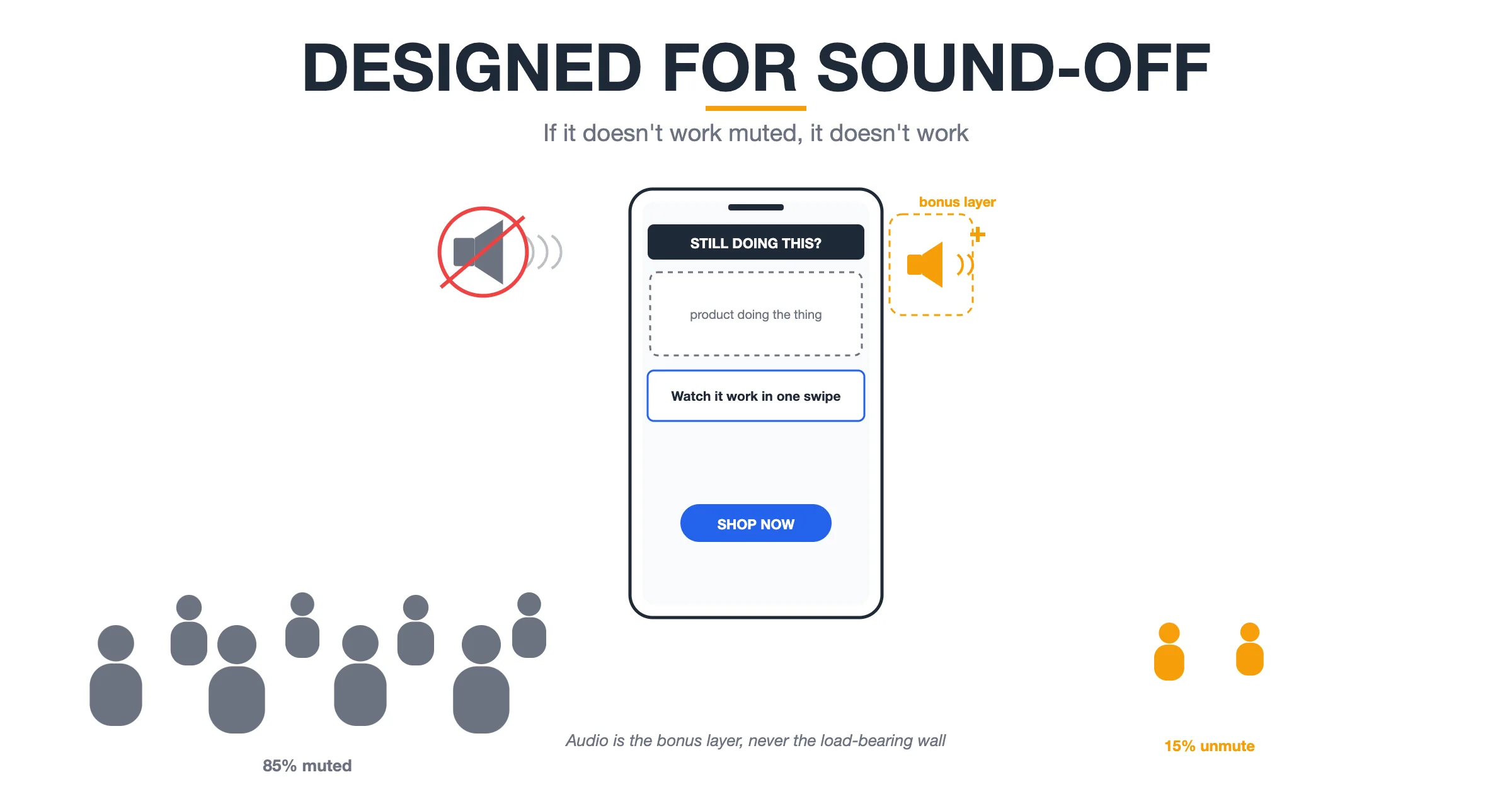
I design every feed ad for the muted majority first, then treat sound as a bonus layer. Here's the workflow my agency team runs before anything ships.
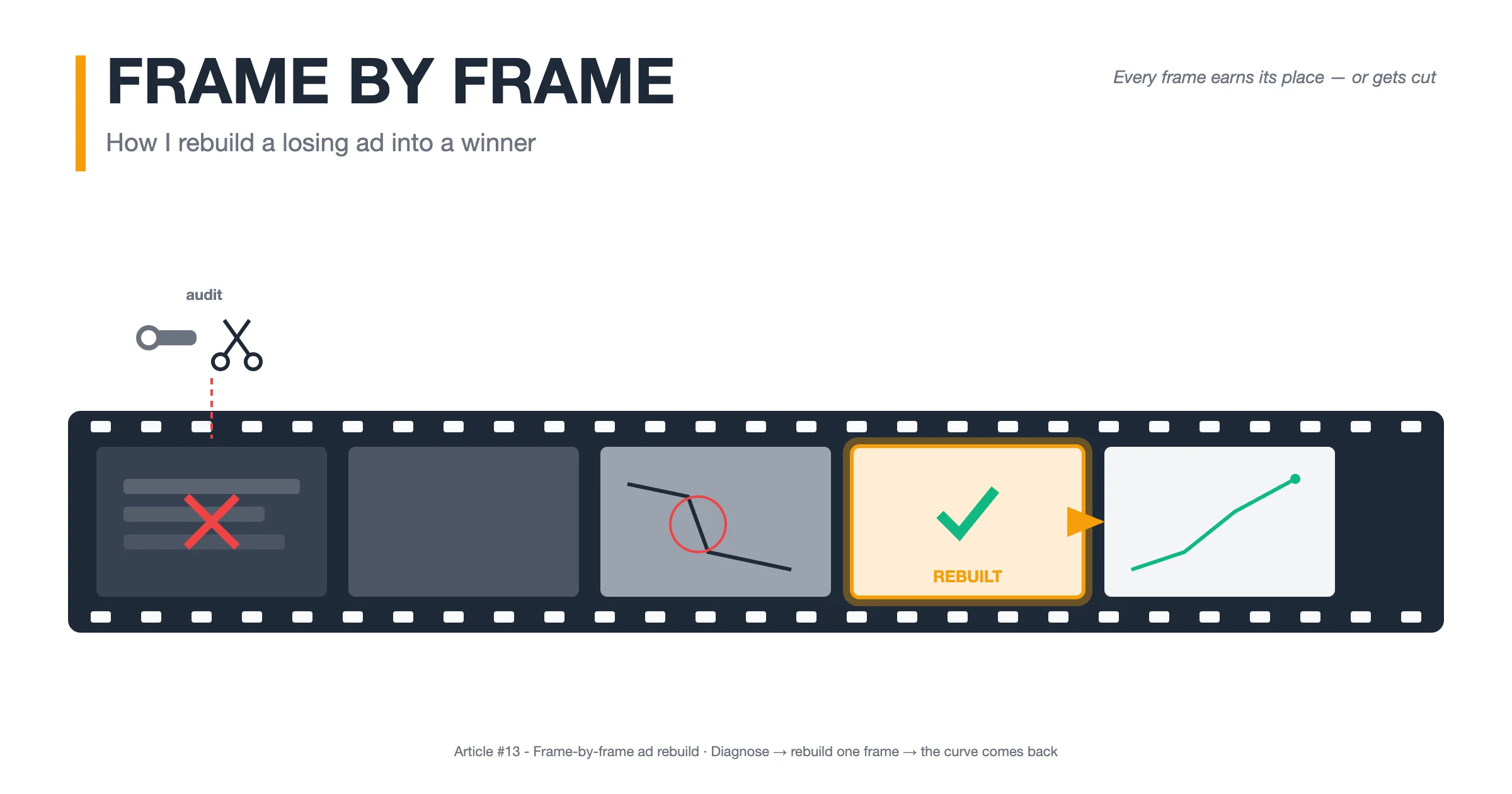
I stopped tweaking losing ads on instinct. Now I audit them frame by frame, find the retention breakpoint, and change exactly one thing per round.
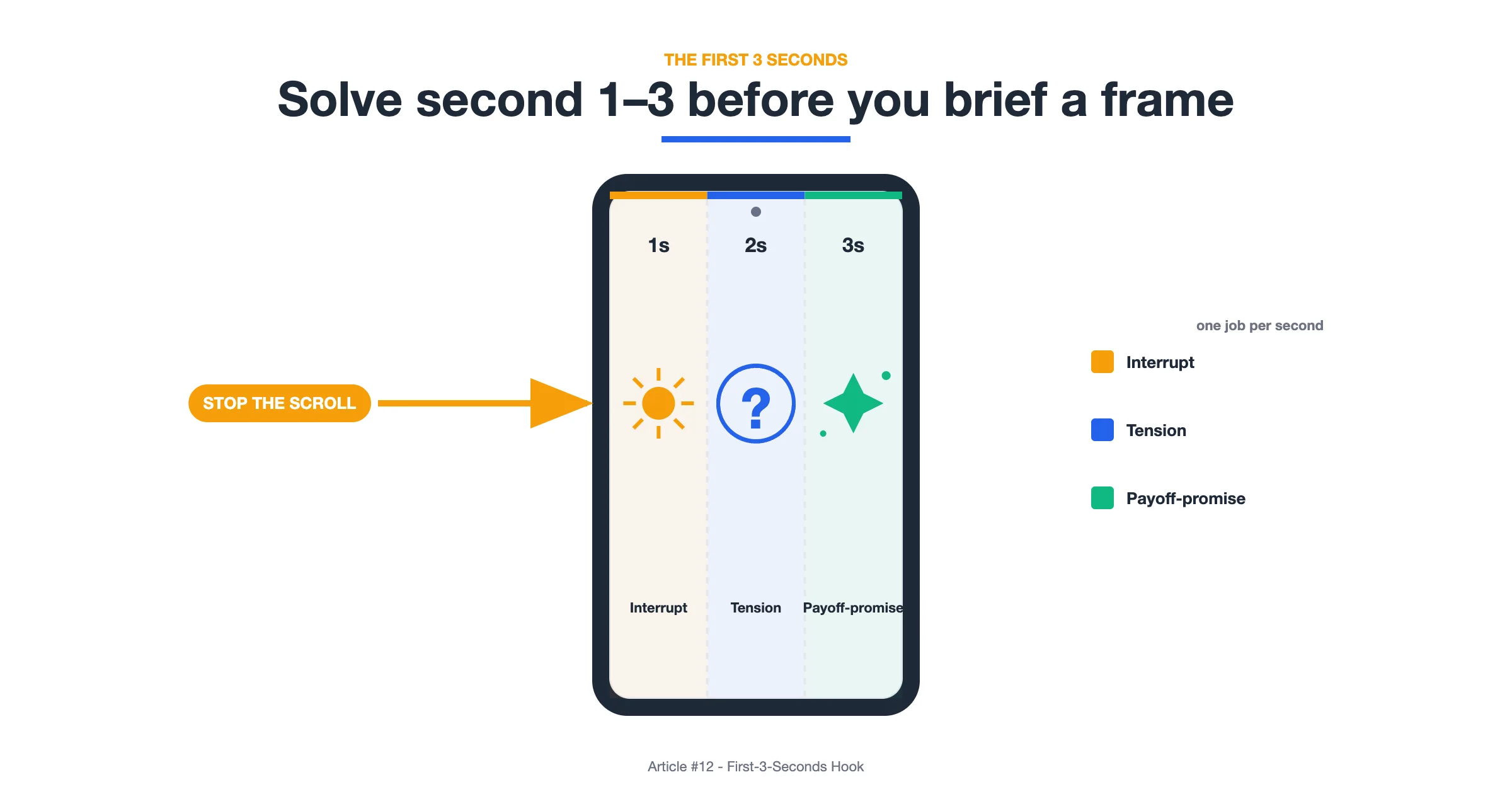
I never brief an AI video ad until the first three seconds are solved. Here is the hook formula, hook wheel, and scorecard I run every time.
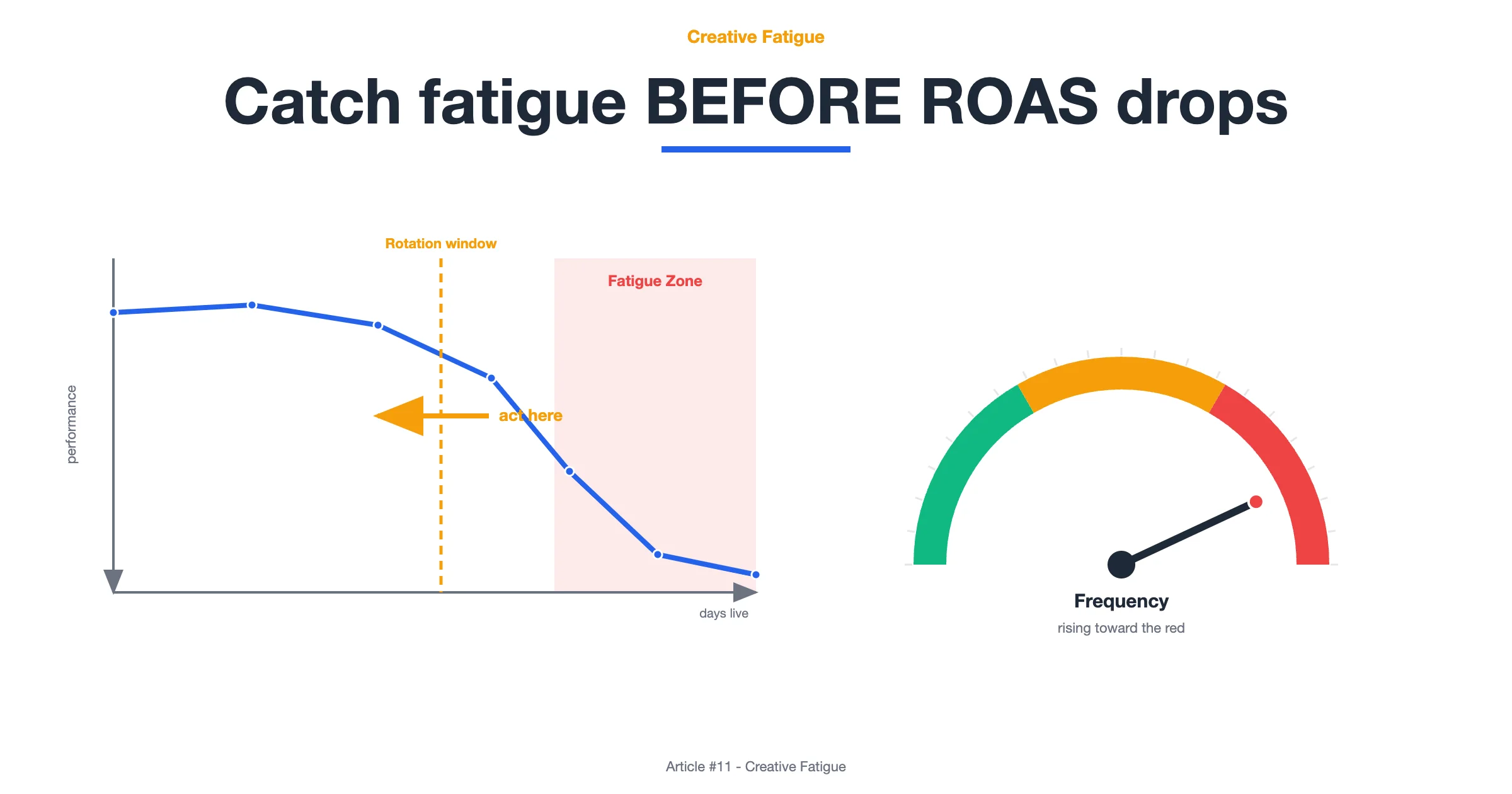
I do not wait for ROAS to collapse. Here is the creative-fatigue dashboard, thresholds, and rotation cadence I watch every single week.
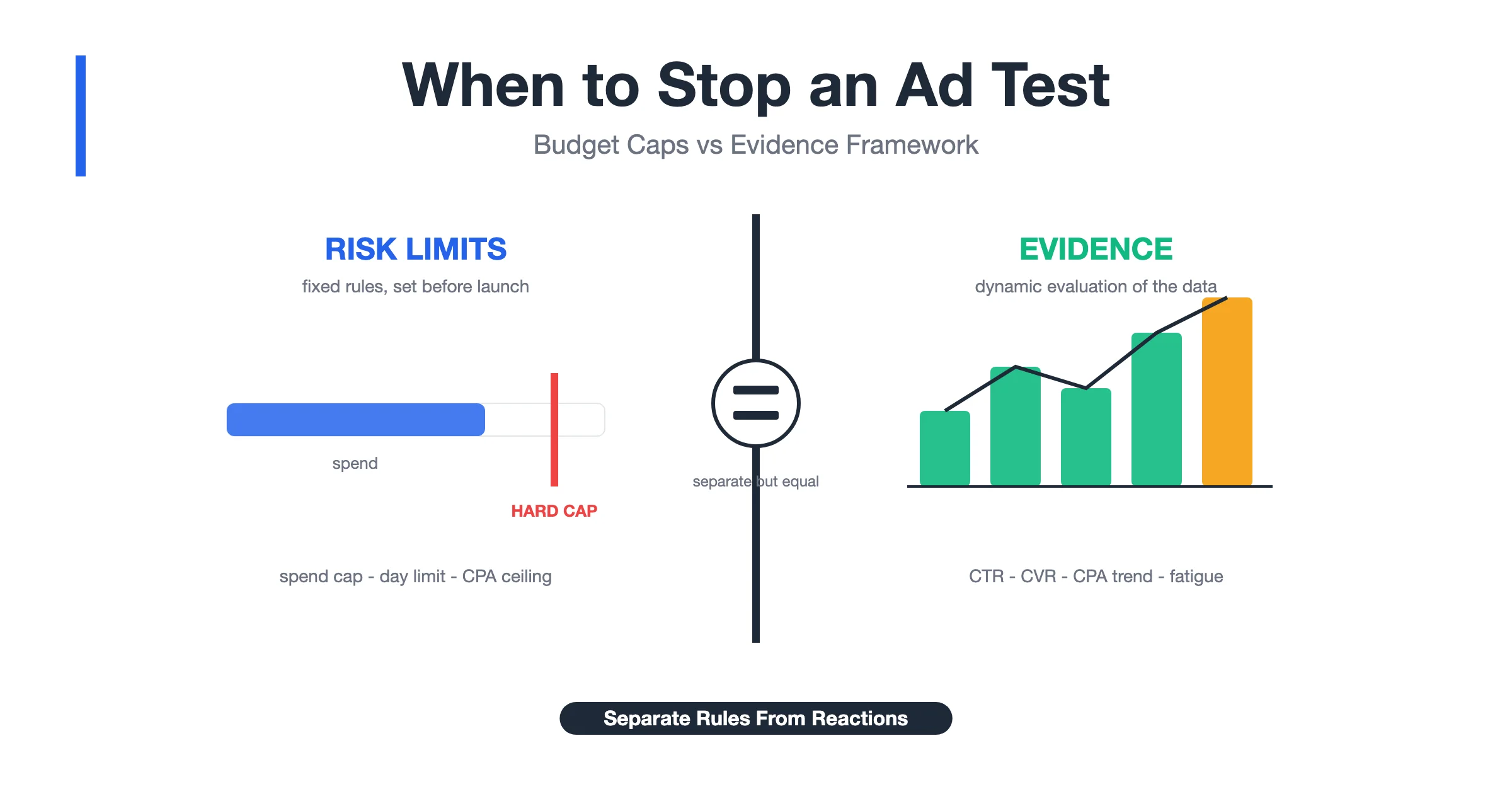
A dashboard showing declining ROAS doesn't tell you whether to cut budget or change creative. Premature decisions based on incomplete signals waste more than inaction does.
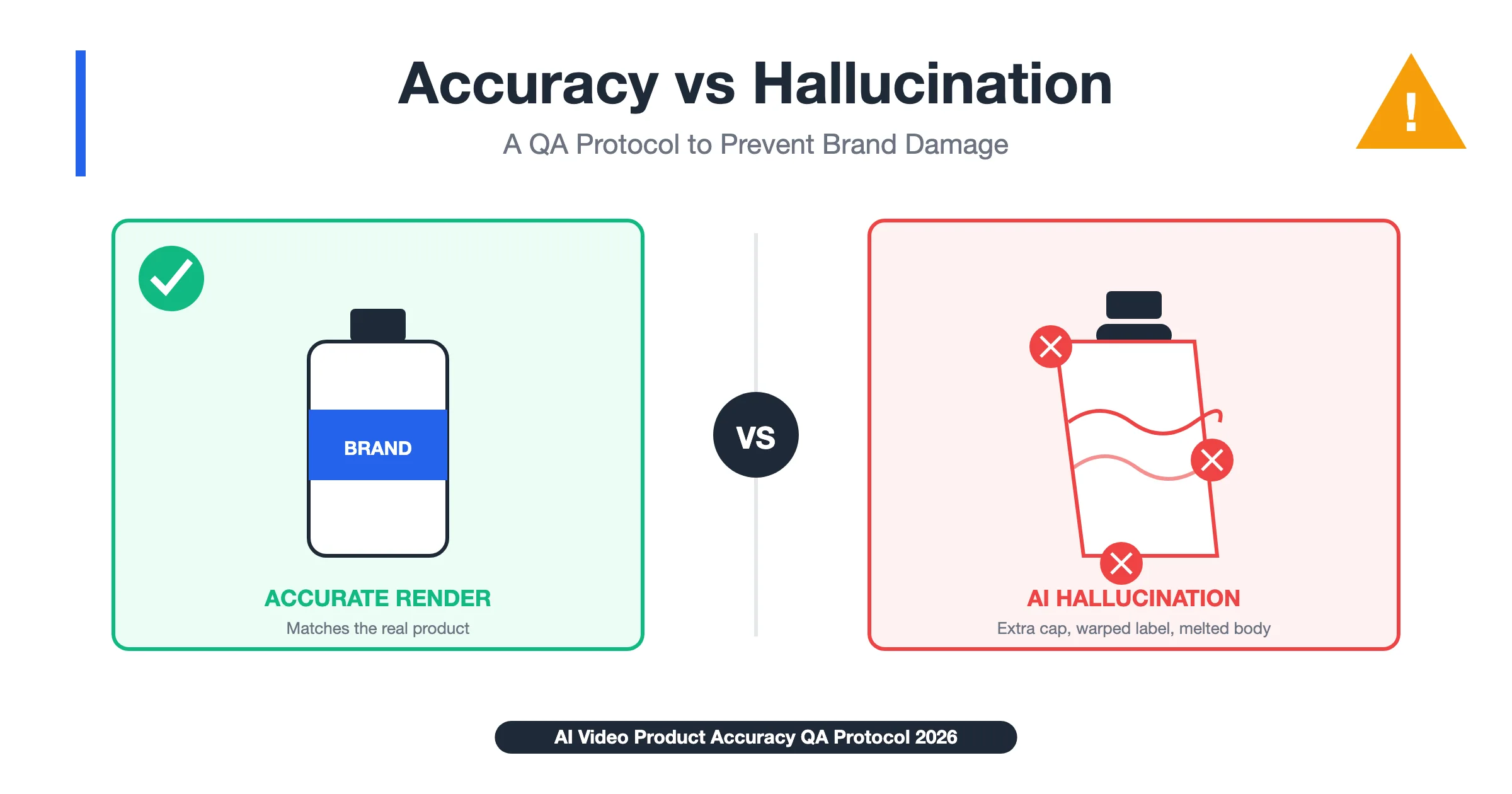
A $20 AI-generated ad might waste more budget than a $200 human-made one if it passes quality checks but fails to persuade. Product accuracy is where AI video most often fails—and where brand damage becomes real.
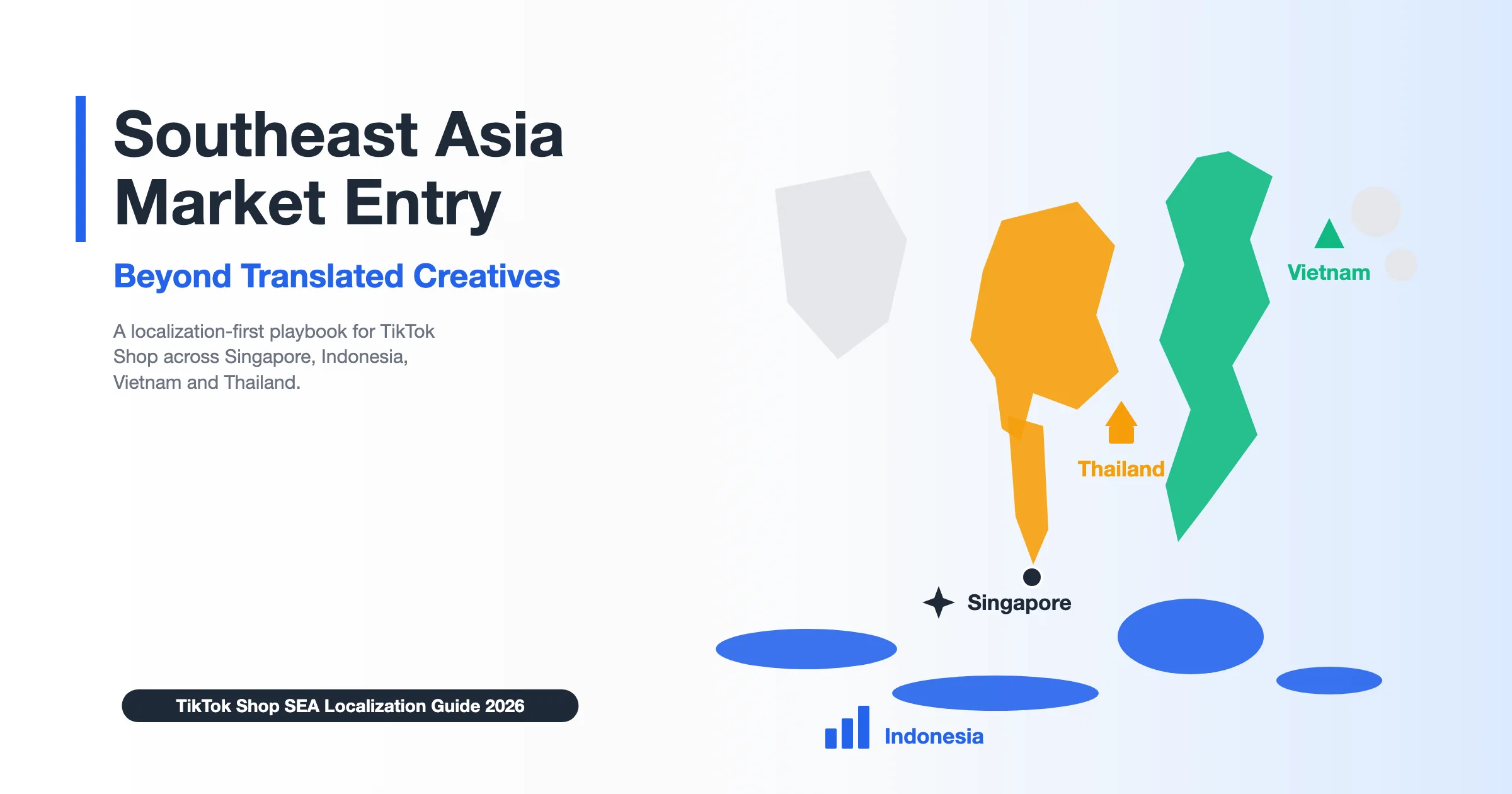
Translation doesn't equal localization. A video that works in Los Angeles may fail in Jakarta if it ignores payment preferences, holiday calendars, and cultural humor.
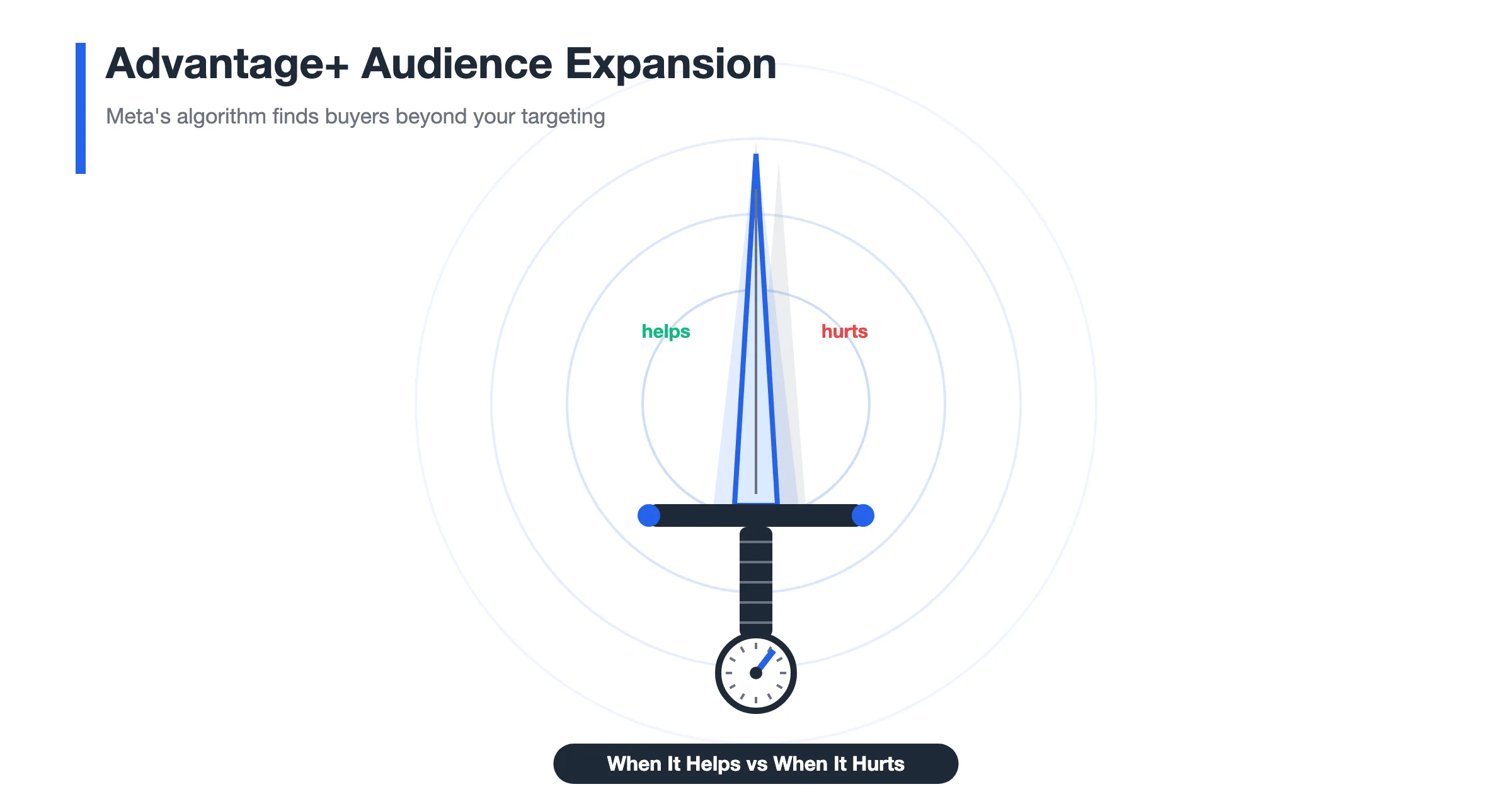
Advantage+ audience expansion works like a double-edged sword: it finds customers you couldn't reach manually, but it also spends budget on people unlikely to convert.
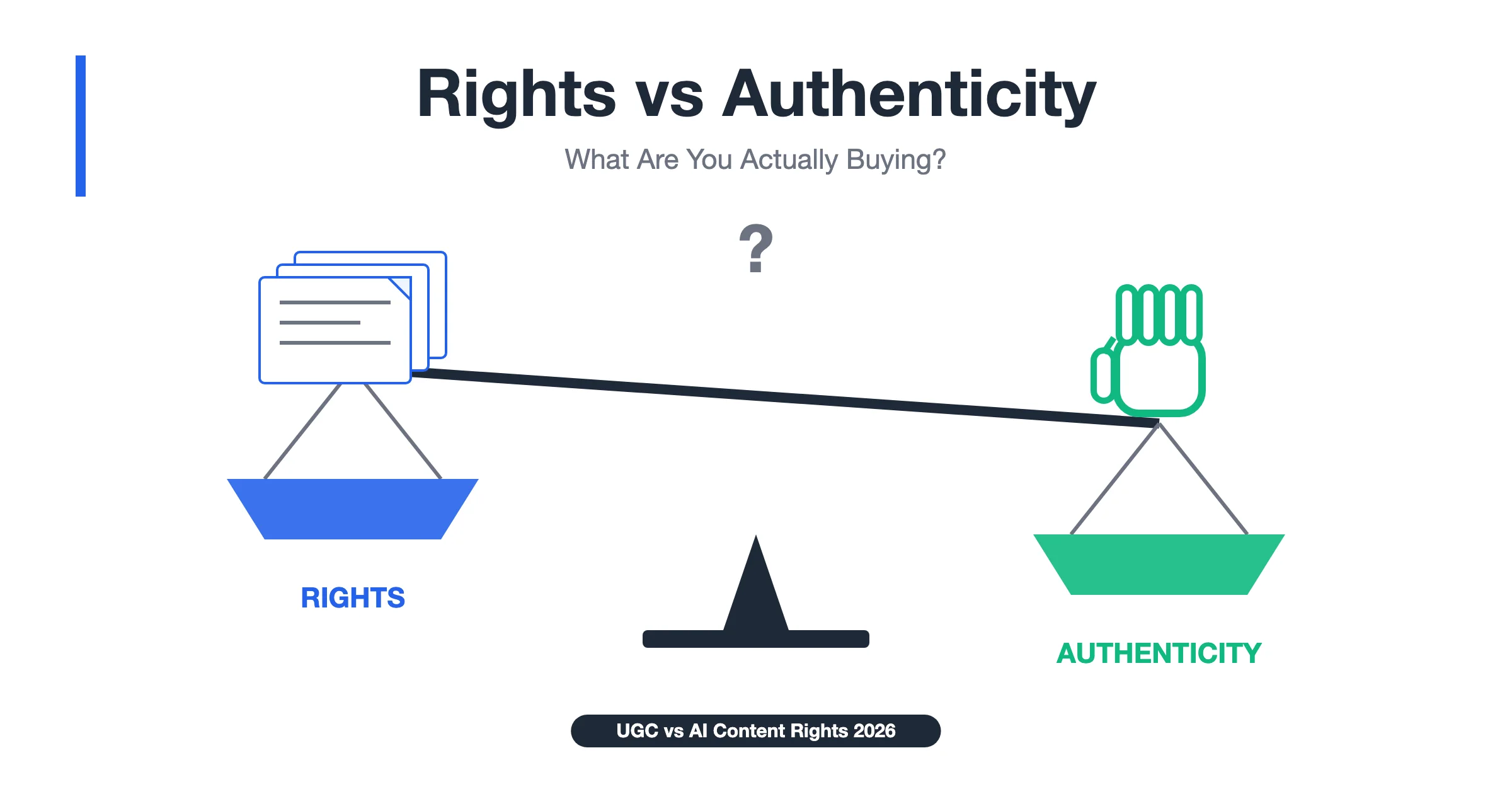
You're not buying videos. You're buying rights, authenticity, and audience access—and the tradeoffs between them determine which approach makes sense for your brand.
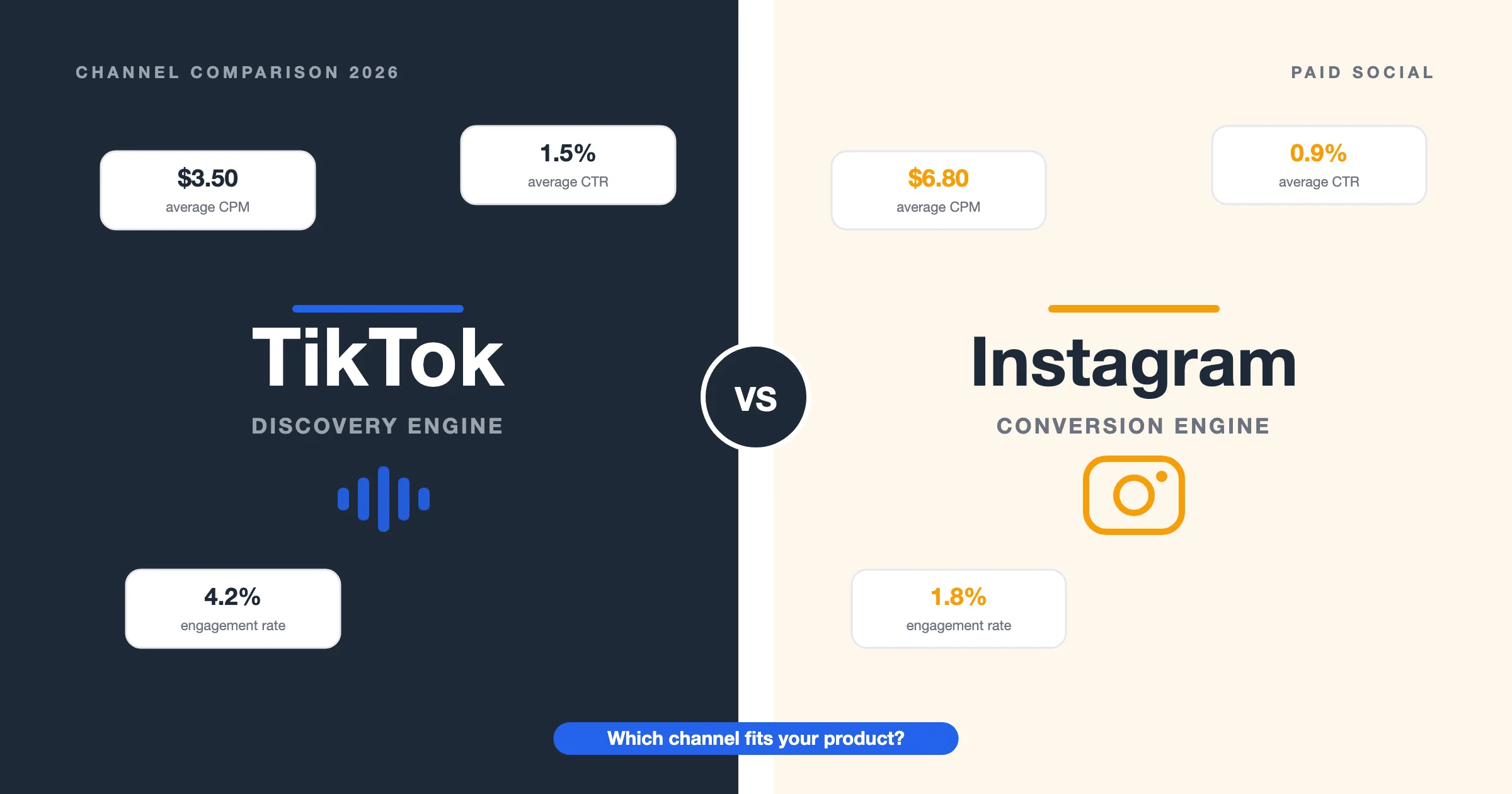
TikTok's CPM is $8-12. Instagram's is $15-25. But lower cost doesn't mean better value if your conversion rate is half as good. Here's a merchant's framework for choosing between them.
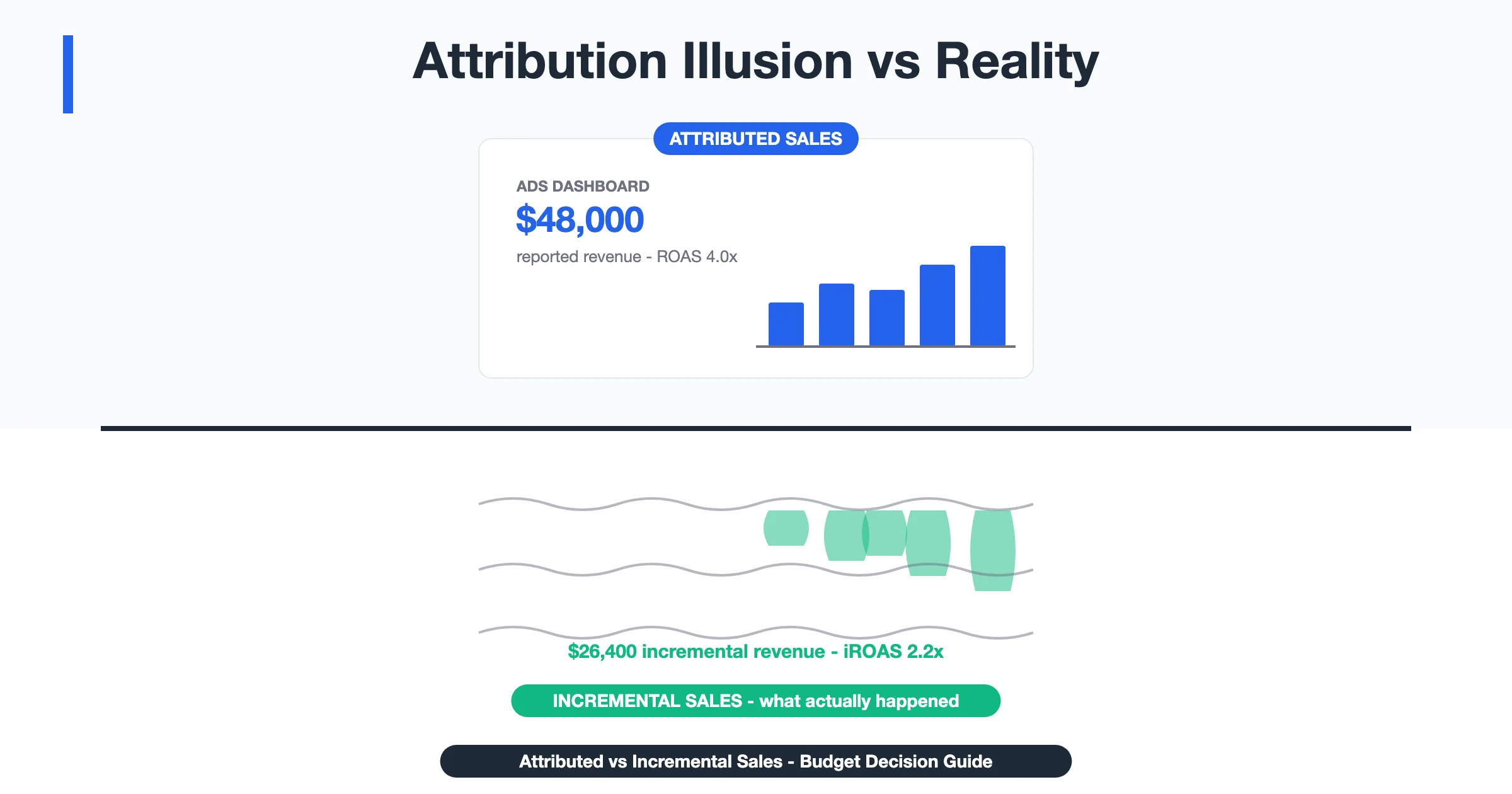
A dashboard conversion count is not proof your ads caused it. An attributed order is not the same thing as an order that would disappear without the ad. Here's how to measure true incremental value at any budget level.
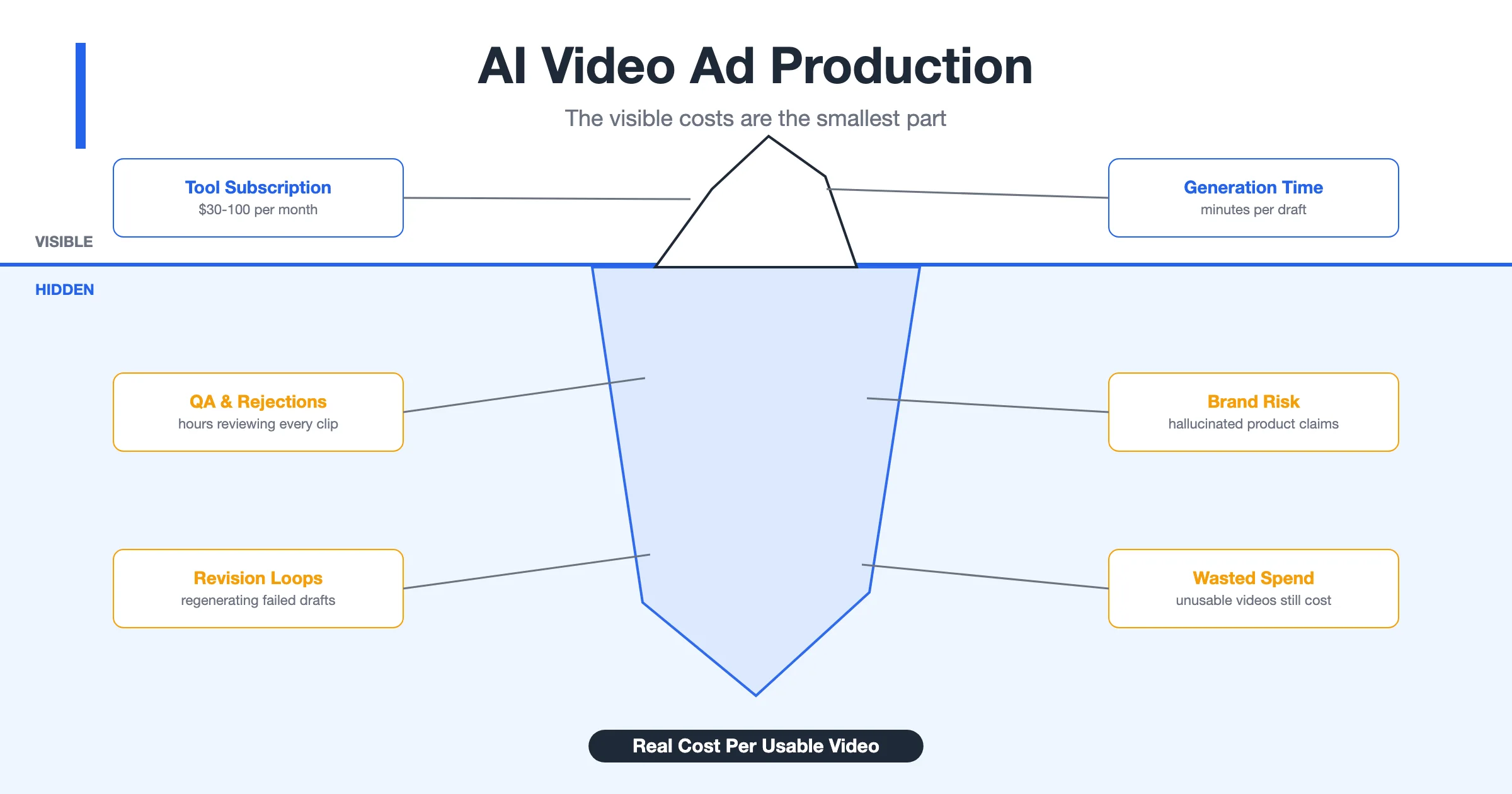
A $50 AI-generated ad might waste more budget than a $500 human-made one if it passes quality checks but fails to persuade. Here's how to calculate actual usable-output cost including retries, fixes, and QA.
A cleaning cloth sold $430k in one month on TikTok using before-after creative. Before you copy the format, understand what's observable versus inferred—and how to test systematically without blowing budget.

Most merchants fail at AI video because they're authoring prompts instead of choosing proven structures. A CreativeFly template carries the source campaign's real views, ROAS, and spend — you swap in your product image and model, and generate. Here's why choosing beats authoring.
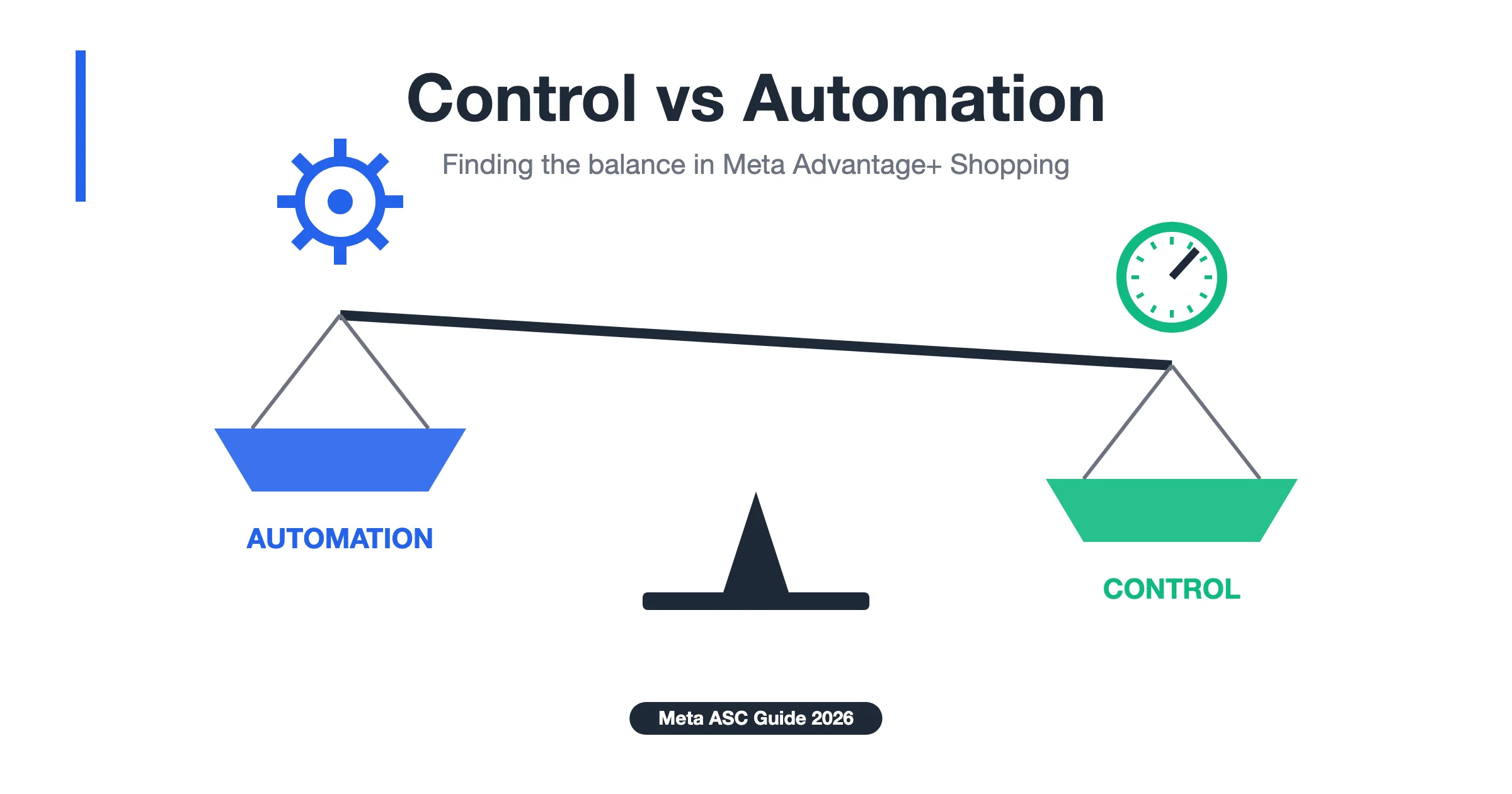
Meta's Advantage+ Shopping Campaigns automate targeting, creative, and budget pacing, but that automation hides what is actually working. Here is what merchants can control, what they cannot, and a practical framework for making informed ASC decisions in 2026.
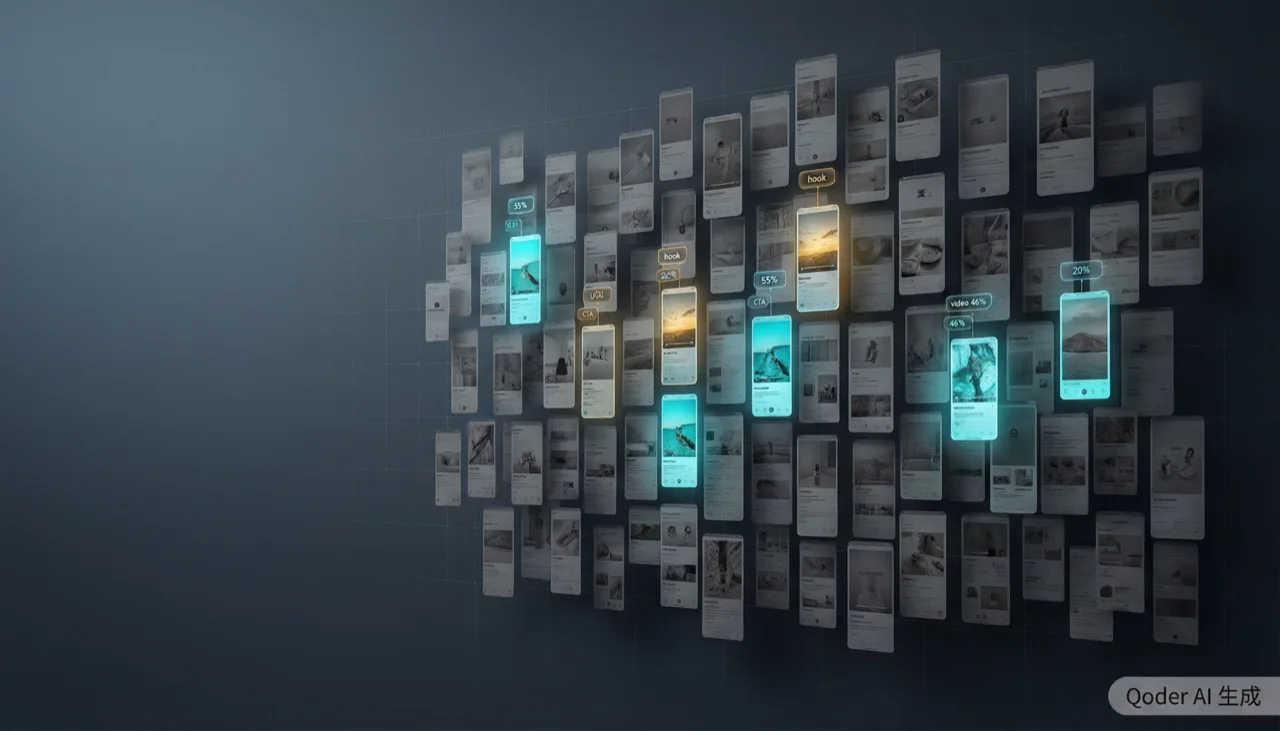
We hand-collected and tagged 198 durable winning ads from the Meta Ad Library (US, sorted by impressions, 60+ day runners) across five verticals, plus a TikTok Creative Center cross-check — then let the numbers talk. The results quietly contradict most of what the performance-creative timeline tells you to do.
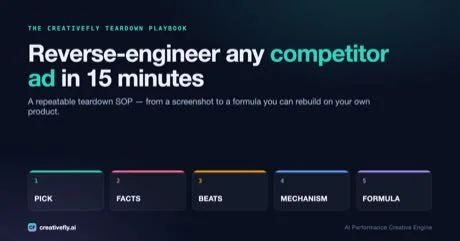
A repeatable 15-minute SOP for taking apart any competitor's winning ad — log the facts, cut it into beats, name the mechanism, and rebuild the formula for your own product.

Five repeatable, cross-platform performance-ad formats with the mechanism behind each and opening lines you can steal today, plus how to check whether your winner is real.
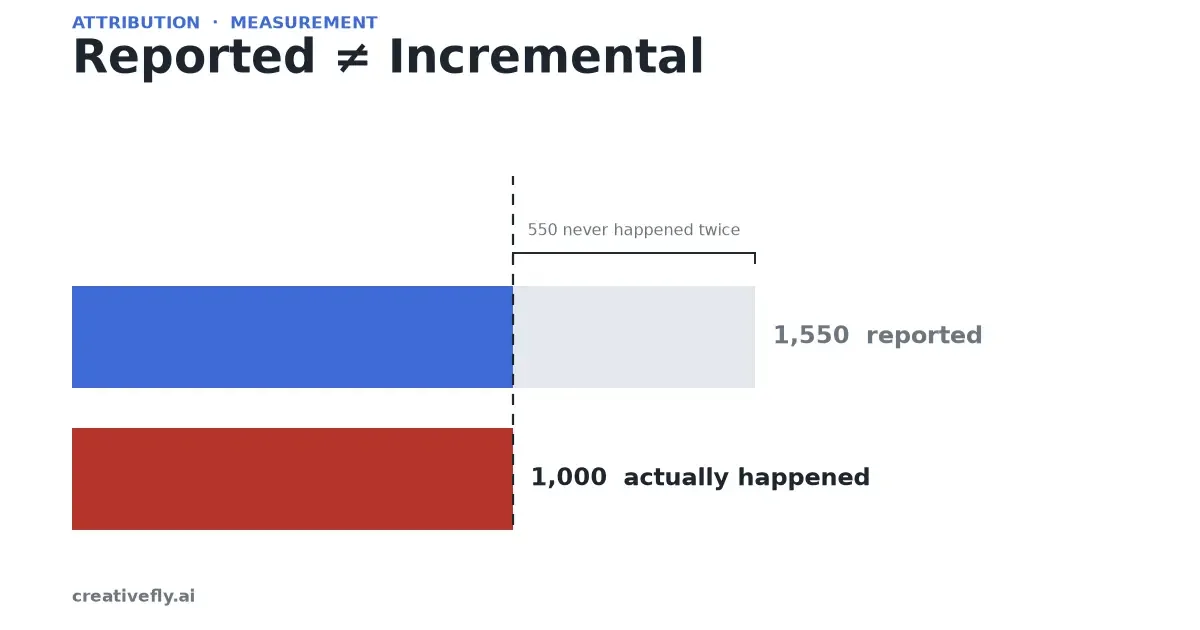
Platform dashboards report conversions credited inside their own window, not the sales your ads caused. Here is how to read that number, why cross-channel totals double-count, and when to run a geo lift test.

A simple 20-second egg poacher demo shows how a strong performance ad can sell without feeling like an ad. We break down its hook, product proof, pacing and CTA.

A practical introduction to how ecommerce brands and performance marketing teams use CreativeFly to turn product assets, references and proven templates into testable image and video creatives.